
Meet Liesl
Welcome! My name is Liesl, and I’m so glad you found our website! My dearest hope is that it’s a valuable resource in your ostomy reversal journey.
I’d like to share my story with you so that you understand my background as an ostomate, my general health at the time of the ostomy reversal, and for your reference as I discuss my personal experience with the process. I’ve had a bowel perforation, been through dialysis to heal my kidneys from septic shock, had rectal cancer, been an ostomate with both a colostomy and ileostomy (both loop and end), have had and recovered from a reversal, and largely recovered my health.
My hope is that my journey and what I’ve learned along the way can be of help to you, and allow you to spend less time hunting for information on website, Facebook, Instagram and more.
On this website, I’ll speak openly – those of us who have been through this process have very little issue with expressing ourselves frankly.
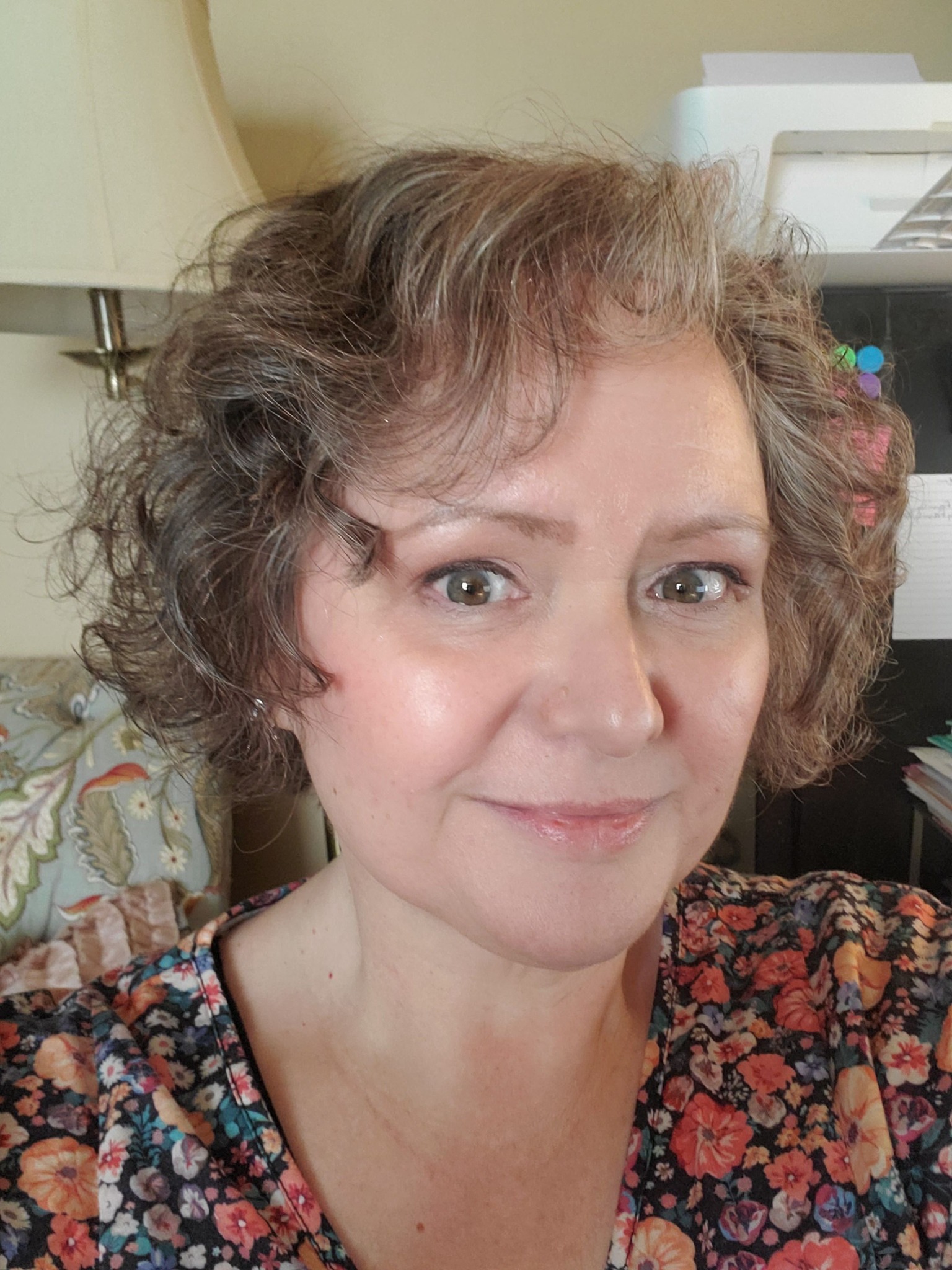
My Short Story
Due to health issues and cancer treatment, I had an ostomy for about 18 months prior to being reversed. I started with a colostomy, then moved to an ileostomy for about 4 months while my bowel healed from tumor-removal surgery.
My reversal was challenging, with loose movements and terrific urgency for a few months. Over time things have normalized to the point that I can live mostly normally, occasionally missing a function due to a problematic gut.
As of this writing I’m about 10 months out from reversal, and things are much better. I may never have 100% fully normal function, but I have mostly predictable movements, and am using diet (fiber, etc.) and gut-healing supplements like pre-and-probiotics to improve my gut health. Things are manageable, and I don’t have pain. There are occasional accidents, but almost already related to trigger foods that I now avoid entirely.
I’m incredibly happy that I was able to be reversed, and don’t regret the decision for a moment!
Struggling for Resources
As I read and studied articles, Facebook posts, etc., it became clear that there was not one, central resource online for folks undergoing an ostomy reversal. And that it was sorely needed. That was the inception of the idea for this website. I hope that it’s of help to you as you navigate the process.
I’ve learned a great deal from listening to my own body and to the experiences of others. I was also blessed with a wonderful, caring surgeon who listens and answers questions – a true gift. I’ve voraciously read posts from other ostomates to find out about their journey and to glean wisdom about what works and doesn’t, at least for most of us. I’ve also learned that there is no ‘normal’ when it comes to ostomy reversal. There are way too many factors that go into a successful – or, not successful – ostomy take down. This site offers information that can be of help to understand the process and how your body is responding to each step in your reversal process.
Closed Toggle
Want more details? Here's the longer story...
How My Ostomy Journey Started
In late 2023, at the age of 56 I was hospitalized with a perforated colon due to undiagnosed diverticulitis. I very (very) nearly died from the experience, becoming septic due the colon overspill. I count it as my #1 ‘not fun’ lifetime experience, far worse than my cancer treatment that followed.
After emergency surgery and a three-day medically induced coma, I awakened in a hospital bed to the new world of being an ostomate, and started the hard road to healing. While in the hospital I’d lost 60 pounds in under 2 weeks, and was weak, sick and generally defeated. I went home, and had to figure out how to manage this stoma and bag stuck to my belly while doing dialysis and working hard to regain my health. While I recognized that the bag saved my life and gave my colon time to heal, it was initially demoralizing and depressing to have it. I had no energy and little ‘fight back’ spirit, and at first the bag didn’t help my mental health. But, with time, my health improved and I learned to manage and change my bag on my own. My husband willingly and lovingly did my bag changes for me for many months, but I learned to do it myself independently as part of my recovery. I healed and became generally much healthier.
A few months later, after my bowel, body and spirit had been given recovery time from the bowel perforation, it was time to reverse the ostomy. I eagerly met with my surgeon, and went for the typical pre-surgery testing, including a routine colonoscopy that ultimately was not so routine… I’ll never forget my surgeon coming into the room when it was done, with a dark look on his kind face. ‘We found something we don’t like, it looks like a very large tumor on your rectum’.
Cancer Diagnosis
My official diagnosis was Stage 3 N3 rectal adenocarcinoma.
Note that I have no family history of this cancer at all, and my only symptom before the bowel perforation was some skinny poops and bowel discomfort that I attributed to IBS.
I had limited lymph node involvement, but the tumor had gone entirely through the bowel wall and was growing aggressively. It was a high-rectal tumor about 6mm in length. (About the size of my thumb in dimensions).
As an aside, as a person of faith I felt that my colon perforation was God’s way of getting that cancer seen in time for effective treatment. Without that, the cancer would never have been found before it was Stage 4 and there was full body involvement. So I consider that terrible chapter the best thing that’s ever happened to me. Also, the way my uterus was found to have collapsed and adhered to the tumor area would have let it take the hit instead of spreading to my bladder or kidneys. (It ended up being free of cancer, but if the tumor had grown further, it would have gone into my uterus).
Treatment
So now, instead of booking my surgery for an ostomy reversal, I was referred for neoadjuvant cancer treatment, to include 28 rounds of radiation, months of daily chemo pills and 6 chemo (Folfox) infusions spaced 3 weeks apart, to be followed by surgery to remove the last of the tumor at the end of treatment. I never really had much nausea or real sickness from the chemo, and found that if I had the infusion on Friday, resting for the weekend generally let me get back to work on Monday with some limitations in my energy. Chemo and radiation weren’t as difficult as bouncing back from my bowel perforation, and having the bag was an incredible gift during this time, as I didn’t have the miserable diarrhea and urgency that many folks have from chemo and radiation (the bag just needed to be emptied more often).
Surgery
Treatment was done, and my tumor removal surgery took place in very late December, 2024. On a personal note, I lost my beloved heart dog in early December, then my wonderful father 8 days before the cancer surgery. It was not my best month.
During my 7 hour surgery I had a total hysterectomy, my remaining tumor was removed (there was very little left), and my colostomy was converted to an ileostomy to allow my colon to heal before my complete take down to follow a few months later. (Note, my new stoma started as a loop ileostomy, but due to some complications and a subsequent revision it was converted to an end ileostomy).
I often see posts from disappointed or angry patients who were not warned that this interim step (from colostomy to ileostomy then on to take down) was likely to be necessary. I was blessed to have a surgeon who was entirely up front about this step from the beginning so this didn’t come as a surprise. I was, however, initially shocked to wake up with my bag still on the left… immediately my thought was that they’d found in surgery that they couldn’t reverse me due to adhesions and scar tissue. My surgeon came in quickly to tell me not to panic, as she had used the same opening for my ileostomy! (Which was great, one less abdominal incision – typically, colostomies are on the left, ileostomies are on the right… I had a leftie ileostomy!).
Time for Take Down!
Flash forward to spring of 2025 – it was time to take down my ileostomy and revert back to normal function. I was glad to not have to set alarms for every 2 – 3 hours overnight, and to sleep more than 3 hours in a row. (My ileostomy was super active). I read hundreds of posts on a ‘reversals’ Facebook group, and had a good understanding of what to expect after surgery. I knew it would likely be another ‘not fun’ experience, but, was ready to go.
Anatomically, after my surgeries I now have a partial sigmoid colon, a partial rectum, and lost several inches of my colon between my surgeries. So while my parts are smaller than they should be, I have all of them – this was likely a big factor in the ultimate success of my reversal.
My ileostomy take down took place in April of 2025. I typically recover quite fast from surgeries, so went in Friday afternoon for surgery and went home on Sunday. My pain was minimal, so I took nothing but Tylenol after about the first day, and for a very short time after I got home.
I was passing gas almost on the gurney on the way back to the room after surgery, and had strong bowel sounds quickly. (Wow, was that first fart fabulous!!). I actually ate turkey and mashed potatoes on Saturday – not a lot, but solid-ish food. (I regretted that later, but was starving by the time the food came so I ate). Since I was passing gas and let go a tiny amount of fecal matter (I mean tiny, but enough to prove the bowels were working), they let me head home. It turns out, just in time for the literal poop-storm that was to come.
… And So It Began
I slept peacefully at home on Sunday night. Monday morning… it started. It was rough. Rampant, never-ending diarrhea. I counted 28 trips to the bathroom on one really terrible day, and think I missed a few trips in the count. Let’s call it an even 30-trip day. I had very little bowel control, and the inflammation from disuse colitis was intense. My rectum and anus HURT, and were in shock from the ~18 months of not being used. It was exhausting, and all my poor husband could do was stand by, offer encouragement, and bring me tea and some crackers. For about 10 days I wore just an oversized nightshirt with no underwear, because they slowed me down too much and half-seconds counted when it came time to run to the toilet. I literally filled my bathtub with piles of tossed-off dirty clothes, showered more times than I could count, and cleaned messes off of the bathroom floor an equal number of times. It was rough. I remember posting to my private cancer support group, ‘Please, if you pray, do, it’s so, so bad’.
Recovery
I stayed home for weeks. In the months following my reversal, things slowly got better. Since I work from home it was possible to return to work about 10 days after the surgery. That helped me emotionally, but it was difficult as I had to run (literally RUN) to the bathroom whttps://www.ostomyreversal.com/lower-anterior-resection-syndrome-lars/ith little to no warning, and often. I had to get to the toilet within about 10 seconds of that first urge, because it was coming and no one was going to stop it. So, I stayed home to be consistently near a bathroom.
At first, it was a big deal to leave the house just to drive to my mother’s home 15 minutes away. Then, to leave for an hour. Then, 2 hours. In June, I took a short day trip that was about 4 hours round trip… that was a huge deal! I definitely was not one of those blessed people who goes back to normal almost right away, and healing took time, but it did happen.
While at first it seemed like I may be suffering from LARS (Lower Anterior Resection Syndrome), my bowels have healed enough that I’ve moved past that stage into my own personal new normal.
Managing With Diet and Medication
With time I found that I determined which foods were triggers post-reversal. The first time I ate a salad was miraculous! And cole slaw! And I found that eating seemingly benign food like corn bread or grits has caused me to have the dreaded blowout a few times, so I know they are now on my ‘no go’ food list. Milk in the morning is a no-go, but at night it’s ok, and ice cream is fine at almost any time. (Go figure). I thought oatmeal would be an issue, but seems to work very well for breakfast (no negative effects). A few blowouts from Chinese takeout put that on the ‘no no’ list for a while yet. I haven’t tried the biggie, popcorn… it’s just not worth it to me. Food is medicine, but can also be poison to folks like us who have compromised digestive systems, and figuring out what our bodies can tolerate is a huge part of healing. I’m still working on that part.
As I write this, I’m 10 months out from surgery. While my guts aren’t perfect, I can usually leave the house comfortably, with exceptions, and with proper diet and fiber supplementation I have a fairly normal bathroom schedule. Fiber at night before bed usually means I’ll have a few mostly-comfortable, non-painful movements between about 10:30 am and 1pm the next day, then I’m done for the day. Some days are bad, but they are becoming fewer and farther between, maybe one day every 2 weeks is a bad one. And, ’bad’ is becoming far less severe with time, often meaning I’m clustering for a few hours but not in real distress.
Regarding the cancer, I’m considered NED – No Evidence of Disease – and am in ‘watch and wait’ with regular CTs and colonoscopies for the next few years. So far, so good.
I do still have occasional accidents, and understand how demoralizing the experience can be. I was able to do pelvic floor therapy, and to learn techniques for managing difficult bathroom days. (Some days, all you can do is ‘go’ until you’re done, then take a nap after to recover).
I work from home, so have more freedom to run to the bathroom than others, so have been blessed in that regard. As a result, my approach has been to not take medications regularly (i.e. immodium or stool softeners on the few occasions things were backing up). I was determined to allow my bowel time to relearn its job, and to let my compromised rectum and sigmoid learn to compensate. If I have an active bathroom day, I first try to adjust with food and fiber. I sometimes take an immodium before church to buy me enough time to get through the service before my bowel gets active.
Living in Gratitude
As I’ve progressed through this healing process, I’ve made a conscious effort to really observe my body every day. The first solid output was miraculous. The first time I felt the need to go to the bathroom but could hold it for a while was noteworthy. In chemo, I met people with far worse diagnoses than my own, some who lost their battle. I look in the mirror and see someone who is aging, but also someone who fought back and survived, so every wrinkle or sign of the battle is ok. Some don’t get to get older and live through it, and those of us who survived need to celebrate life for them.
Another blessing is being married to a (retired) medical doctor who helped me to process what I was experiencing to really understand what was happening. His input and education is a big part of this website becoming a reality.
Let Me Know How It’s Going!
Let me know if this website has helped you, and if there is something that you think we should add. I’d be delighted to hear from you! I’ll continue to post about my healing process as a case study, and to stimulate conversation with all of you. I’m so glad you’re here, and send best wishes and prayers for your recovery.